Why scaffolding businesses need finance
Scaffolding is capital-heavy and project-based. A contractor taking on a larger job may need thousands of additional fittings and boards, extra labour and another lorry within weeks. Stock is also lost, damaged and replaced over time, so equipment spending never fully stops. Payment terms on commercial contracts commonly run 30 days or more from an invoice, so cash goes out first and comes in later.
The sector also carries safety obligations that shape spending. The Work at Height Regulations 2005 require work at height to be properly planned, supervised and carried out by competent people with suitable equipment. The Health and Safety Executive publishes guidance on the rules. Trade body the National Access and Scaffolding Confederation (NASC), founded in 1945, describes its role as raising safety standards, and it has more than 800 members, including contractors, suppliers and manufacturers. Equipment that meets recognised standards is usually something a business has to replace on a schedule, which makes planning finance sensible.
A short history of the trade
Scaffolding was once built mainly from timber poles and rope lashings. Steel tube and mechanical fittings gradually replaced them during the twentieth century, which made structures stronger, faster to erect and more reusable. The formation of the NASC in 1945 came as the industry grew with post-war rebuilding. Regulation has tightened over the decades, and the Work at Height Regulations 2005 brought the UK's rules into line with a European directive on working at height. The commercial lesson is that the equipment itself has become a durable, reusable asset, which is why asset-led funding is common.
What a scaffolding firm might finance
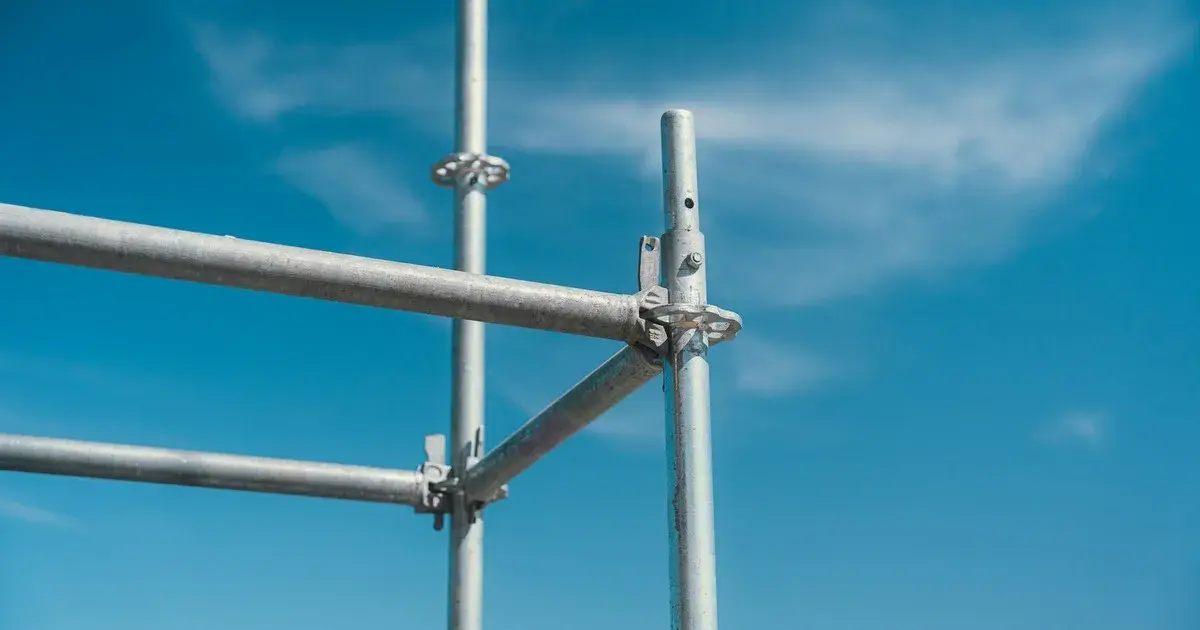
- Scaffold stock. Tube, couplers, boards, base plates and ladders. Because stock is bought in volume and used across many jobs, some lenders treat it as an asset, though it can be harder to value than a single machine.
- Lorries and loaders. Flatbed lorries, vans and telehandlers are easier to value and are often funded through vehicle or asset finance.
- Yard and storage. Racking, container storage, fencing and yard improvements.
- Expansion. Opening a second depot, taking on staff and training before new contracts start paying.
Finance options to compare
Asset finance and hire purchase let a business spread the cost of a specific item, such as a lorry or loader, over an agreed term, often with the asset itself as security. Under hire purchase the business normally becomes owner at the end once payments are made. Leasing usually means the finance company stays the owner, and the business pays to use the asset, with end-of-term options set by the agreement. A business loan can cover wider needs such as stock or a new depot. Invoice finance may suit firms with eligible invoices to larger commercial customers, though lenders have their own criteria. None of these is automatically cheaper than another. The right choice depends on how long the asset will be used, the total cost, deposits and fees, and the business's cash flow.
What lenders typically look at
- Utilisation. Is the equipment busy across the year, or does it sit idle between contracts?
- Resale value. Vehicles with a clear second-hand market are easier for lenders to value than specialist or heavily worn stock.
- Maintenance and condition. Well-kept, inspected equipment holds value and supports safety compliance.
- Trading history and accounts. Established companies with filed accounts, steady turnover and manageable existing debt are generally assessed more favourably.
- Customer mix. Dependence on one or two clients can concern a lender, especially where payment terms are long.
Planning your finance request
Start with the purpose and the numbers. Write down what you need, why, and how the new equipment will earn money, for example by allowing you to take a contract you would otherwise turn down. Get quotes from suppliers, work out the deposit you can afford and test your cash flow with the repayments included. Be realistic about downtime, since a lorry in the workshop earns nothing. Keep recent accounts, management figures and details of existing borrowing ready. Compare total cost, not just the monthly payment, and ask about arrangement fees, early settlement terms and what happens if you want to sell or replace the asset before the end.
Risks to understand
Borrowing commits your business to regular payments whether or not work is steady. Scaffolding demand moves with construction activity, weather and the economy, so repayments should be affordable in a quiet period. Equipment financed under hire purchase or leasing may be at risk if payments are missed, and directors may be asked for personal guarantees. Interest rates, including the Bank of England's Bank Rate, which was raised to 4% on 5 November 2026, influence the cost of new variable-rate borrowing, so check whether a rate is fixed or can change.
Frequently asked questions
Can I finance second-hand scaffold equipment?
Some lenders will consider it, subject to the condition and age of the equipment and their own policies.
Is hire purchase better than leasing?
Neither is always better. Hire purchase leads to ownership, while leasing often involves lower commitment to the asset, but terms and total costs differ, so compare them.
Can a new scaffolding firm get finance?
Lenders generally prefer established companies with a trading record. Newer businesses may face tighter terms or need to provide more security.
Will my application definitely be approved?
No. Every application is assessed by the lender and is subject to status and the lender's criteria.