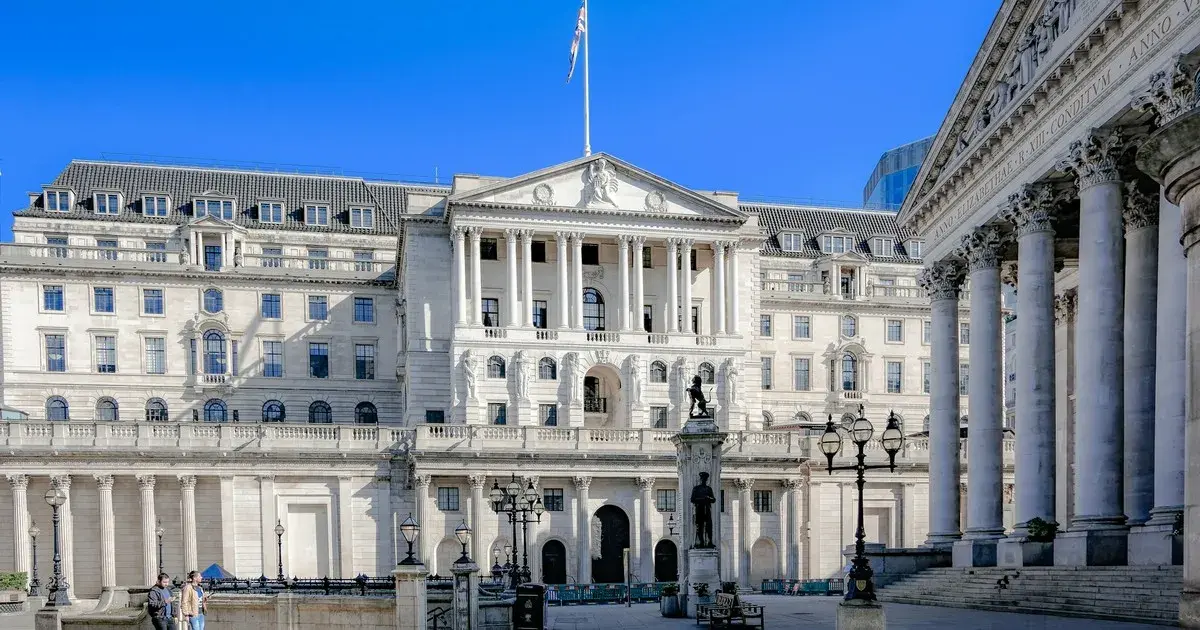
On 5 November 2026 the Bank of England raised the Bank Rate from 3.75% to 4%. It is the first increase since August 2023, and it changes what many UK businesses pay on overdrafts, variable-rate loans and some other facilities. This guide sets out what the Monetary Policy Committee decided and why, how the move compares with the last tightening cycle, and which kinds of business finance are likely to feel it first. It also covers sensible checks to make now.
Why the Committee acted
The Bank's own summary points mainly to energy as the prime cause for this raise. The Middle East conflict is in its ninth month, and the Bank estimates that direct energy costs added about one percentage point to September's inflation. It projects inflation of around 4.5% in the first quarter of 2027 and around 5% in the second, before a fall. Evidence that higher costs are feeding into wages and prices more broadly is still limited, but the Committee judged that the risk of this has grown since September. It also noted that activity has been stronger than expected.
Governor Andrew Bailey said the increase "shouldn't be seen as the first in an inevitable long sequence of hikes", while adding that it did not look likely to be the last unless the conflict is resolved. Committee member Alan Taylor described the move as a form of insurance against inflation becoming entrenched, not the start of a fixed path of rises.
How this compares with the last tightening cycle
The previous run of increases began in December 2021, when the Committee voted eight to one to lift Bank Rate from its pandemic low of 0.1%. Thirteen further rises followed, taking the rate to 5.25% in August 2023. That period saw consumer price inflation peak at 11.1% in October 2022, according to the Office for National Statistics. Rates then eased in stages and, according to market reporting, reached 3.75% in December 2025, where they stayed until this month.
Set against that history, a quarter-point rise is small. The difference is the trigger. Last time the pressure came from demand and supply disruption after the pandemic. This time energy costs are the main driver, which is why the Bank has said further moves will depend on how the conflict, pay settlements and pricing behave.
Which business finance is affected first
- Overdrafts and variable-rate loans. Pricing is normally a margin over Bank Rate, so costs can rise within days or at the next repricing date in your agreement.
- Invoice finance. Discount charges are often quoted over base rate, so they tend to follow it.
- Tracker commercial mortgages. These follow Bank Rate directly. Fixed-rate products stay unchanged until the fixed period ends.
- Asset finance and hire purchase. Most agreements are fixed at signing, so existing contracts do not change. Quotes for new deals depend on market funding costs, which had already moved before the decision.
What it means in practical terms?
A business with a fully drawn £200,000 variable-rate facility would pay about £500 more in interest over a year for each quarter-point rise, or roughly £42 a month. If Bank Rate reached 4.5%, the extra cost compared with 4% would be around £1,000 a year. These figures only show the arithmetic. They are not a forecast, and your own terms and balance will differ.
What the Bank says about business lending
The Bank's summary notes that financial conditions have tightened materially since the conflict began, while lending growth to businesses has stayed strong. In practice, appetite to lend exists, but the price and the checks lenders apply can change as costs rise. Affordability testing often assumes higher rates than today's, so a facility that works at 4% should still work if rates rise further.
Checks to make now
- Read your agreements. Confirm which facilities are fixed and which are variable, the margin over base rate, and when changes take effect.
- Model higher repayments. Test your cash flow at half a point and a full point above today's rate.
- Weigh fixing against staying variable. Fixing adds certainty but may carry early repayment charges, so compare total cost and flexibility.
- Plan any new borrowing early. If you expect to need equipment, stock or working capital in the next year, compare options before pricing moves again.
Frequently asked questions
Will my existing fixed-rate loan change?
Normally not during the fixed period. Your agreement sets the exact terms.
Does Bank Rate set my loan rate?
No. It is a benchmark. Your lender adds a margin that reflects its funding costs, the risk of the loan and your business profile.
Should I fix now?
That depends on your cash flow, your plans and the cost of fixing. A broker or accountant can help you weigh it.
How Welcome Finance can help
Welcome Finance is a commercial finance broker. We can help you compare your finance options. Finance is subject to status, and terms depend on your circumstances.